Sort By

Bookshelf Speakers

Frequently Asked Questions

Do bookshelf speakers need an amplifier to work as part of an audio system?

Whether a bookshelf speaker needs an amplifier depends on whether it is an active or passive design. This is one of the most common questions buyers ask when building an audio system, especially if you are new to bookshelf speakers.

Passive bookshelf speakers do require an external amplifier. These speakers do not have built-in power and rely on an amplifier to drive sound. From an audio engineering perspective, this setup allows greater flexibility, as you can choose an amplifier that matches the speaker’s power requirements and sound character. Many audiophiles prefer this approach because it allows fine-tuning of the listening experience.

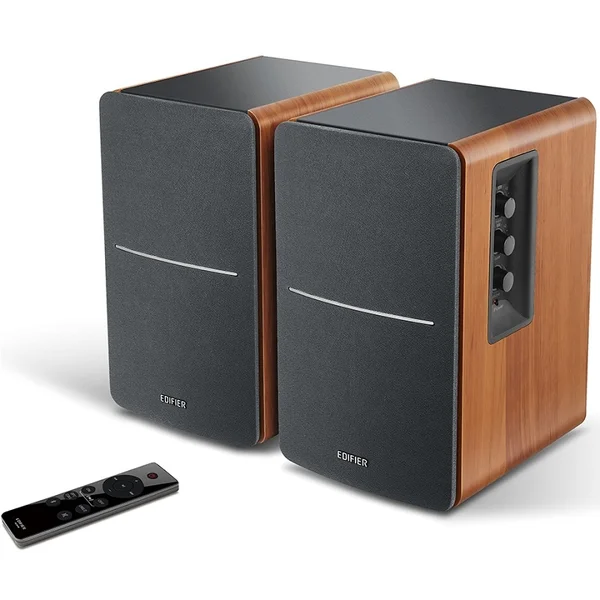
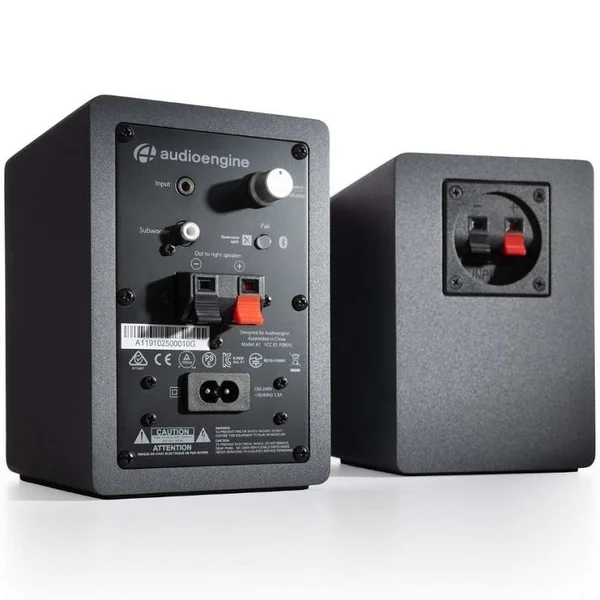
Active bookshelf speakers, on the other hand, include a built-in amplifier. This means you can connect them directly to a source device without needing extra equipment. Active models are popular if you want a simpler setup with a cleaner look and fewer components. They are especially suitable for small rooms, desks, or compact living spaces.

If you are using a pair of bookshelf speakers on a desk or speaker stands, an active system is often more convenient. If you plan to expand your system over time, a passive setup offers more flexibility.

Always check the product page to confirm whether the bookshelf speaker is active or passive before purchasing.
Active vs passive bookshelf speakers, which bookshelf speakers are the best for a home audio system?

Choosing between active and passive bookshelf speakers depends on how you plan to use them and how complex you want your setup to be.

Active bookshelf speakers include built-in amplification, meaning they are essentially a complete sound solution in one unit. You simply connect your source device and start listening. This makes them ideal for a minimalist home or workspace. Many active models are tuned carefully using modern audio engineering, offering balanced sound straight out of the box.

Passive bookshelf speakers require an external amplifier, but they offer more flexibility. You can upgrade or change components over time, which appeals to users who want control over sound character, power, and system growth. Passive setups are often preferred by enthusiasts who enjoy customising their audio system.

From a sound perspective, neither is inherently better; it depends on quality and matching. A well-matched passive system can outperform an entry-level active setup, while a high-quality active bookshelf speaker can outperform a poorly matched passive system.

If you value simplicity, active bookshelf speakers are the best choice. If you value flexibility and long-term upgrades, passive bookshelf speakers may suit you better.

Can I connect bookshelf speakers to a turntable with a proper setup?

Yes, you can connect bookshelf speakers to a turntable, but the setup depends on the type of speakers and turntable you are using.

If you are using active bookshelf speakers, you can usually connect the turntable directly, provided the turntable has a built-in phono preamp. The phono preamp boosts the signal to a level suitable for speakers.

If your turntable does not have a built-in preamp, you will need an external phono preamp between the turntable and the speakers. This applies whether you are using active or passive bookshelf speakers.

For passive bookshelf speakers, you will need both a phono preamp and an amplifier. This setup may sound more complex, but it offers excellent sound quality when done correctly.

Proper placement on a speaker stand or shelf also plays a role in sound clarity and balance in a turntable setup.

Are Bluetooth bookshelf speakers good for sound quality if you listen to music often?

Bluetooth bookshelf speakers can deliver very good sound, especially for casual listening and modern living spaces. Advances in Bluetooth technology have significantly improved clarity, stability, and consistency.

However, Bluetooth audio is compressed, which means some fine details may be lost compared to wired connections. For most listeners, this difference is minor, but if you listen critically, wired or Wi-Fi setups may offer better fidelity.

Bluetooth bookshelf speakers are ideal if you value convenience, clean setups, and quick connectivity. Many models are designed to deliver balanced sound that works well for music, movies, and daily listening.

From an audio engineering standpoint, the speaker design, driver quality, and tuning matter more than the connection type alone. A well-designed Bluetooth bookshelf speaker can outperform a poorly designed wired system.

Do bookshelf speakers come with a warranty and local support in Singapore?

Yes, most bookshelf speakers sold by authorised retailers come with a manufacturer’s warranty and local support. This is especially important when investing in quality audio equipment.

Warranty coverage typically includes manufacturing defects and electronic faults under normal usage. Coverage length varies by brand, but one year is common. Brands such as Audio Technica are known for reliable products and established support networks.

Buying locally ensures access to authorised servicing, genuine parts, and proper support. Always review warranty details on the product page before purchase.

What can I best use bookshelf speakers with in a home setup?

Bookshelf speakers are extremely versatile and can be used with a wide range of devices. They work well with TVs, computers, turntables, streaming devices, and gaming consoles.

Placed correctly on speaker stands or shelves, bookshelf speakers deliver excellent stereo imaging and balanced sound in the home. They are ideal for small to medium rooms and suit both music and entertainment use.

Whether paired with a turntable, desktop setup, or TV, bookshelf speakers provide a flexible foundation for a quality audio system.