







![JBL Junior 320BT Wireless Bluetooth On-Ear Headphone with Mic for Kids - Blue [Open Box]](https://d30ek1sgwm2r4c.cloudfront.net/sites/files/treoo/images/products/202411/600xAUTO/jbl-junior-320bt-blue_2.jpg.webp "JBL Junior 320BT Wireless Bluetooth On-Ear Headphone with Mic for Kids - Blue [Open Box]")
![JBL Junior 320BT Wireless Bluetooth On-Ear Headphone with Mic for Kids - Blue [Open Box]](https://d30ek1sgwm2r4c.cloudfront.net/sites/files/treoo/images/products/202411/600xAUTO/jbl-junior-320bt-blue_1.jpg.webp "JBL Junior 320BT Wireless Bluetooth On-Ear Headphone with Mic for Kids - Blue [Open Box]")









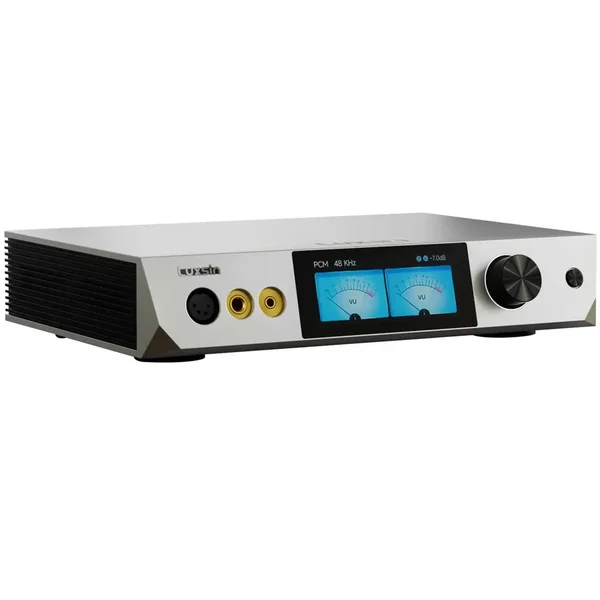
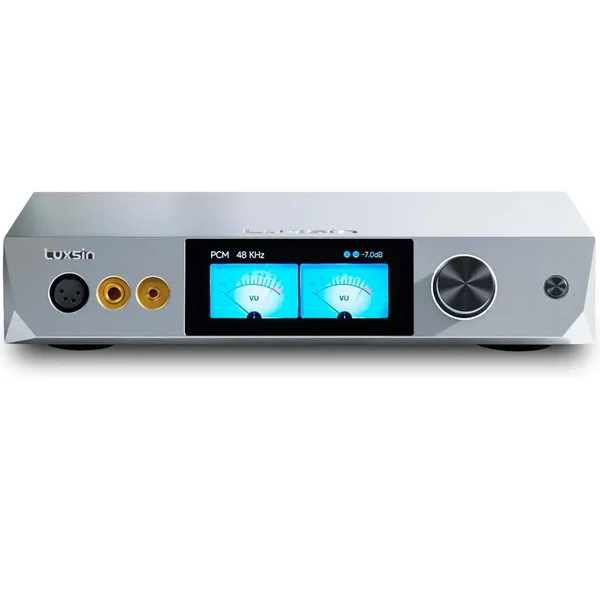
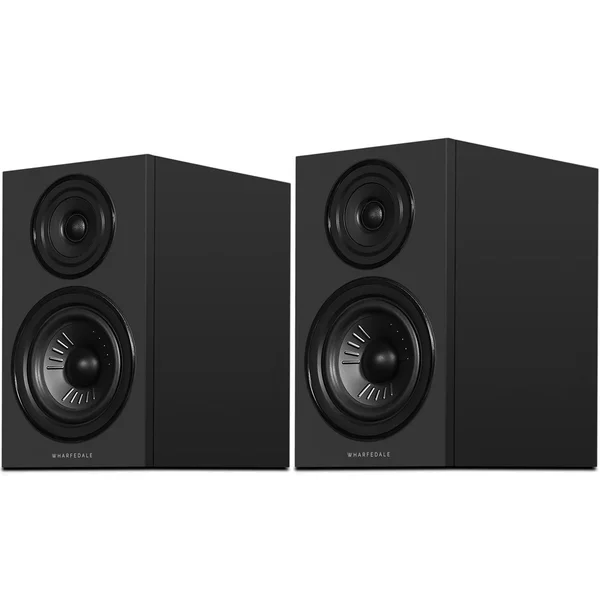







When most people set up their first turntable, the focus goes straight to aesthetics: how clean the setup looks, how the record player sits on the shelf. The idea of a record player isolation stand rarely enters the picture. It is understandable. Vinyl has a visual appeal that no other format matches. But here is the truth most beginners miss: Vinyl playback is one of the most mechanically sensitive processes in all of hi-fi audio, and what your turntable sits on matters far more than how it looks.
A regular table or furniture unit is not a proper turntable support. Not even close. This guide breaks down the real reason serious audiophiles invest in a dedicated record player isolation stand and why. Once you understand the physics, it becomes one of the most important upgrades in your entire setup.
Understanding the Core Problem: Vibrations Are the Enemy of Vinyl
To understand why vibration isolation matters, you need to understand how a turntable actually works. A stylus (a diamond-tipped needle) tracks microscopic grooves cut into the surface of your records. We are talking about movements measured in micrometres. Even the smallest external vibration interferes with this process, smearing the signal and degrading sound quality before it ever reaches your speakers.
Vibration sources are everywhere: footsteps on wooden floors or in apartments, speaker bass waves travelling through surfaces, traffic and environmental movement, and resonance from furniture itself, since every table and shelf has its own resonant frequency range that can amplify certain vibrations rather than absorb them. The result is that your stylus is constantly working against noise it was never designed to handle.
What Is a Turntable Isolation Stand (And How It Works)

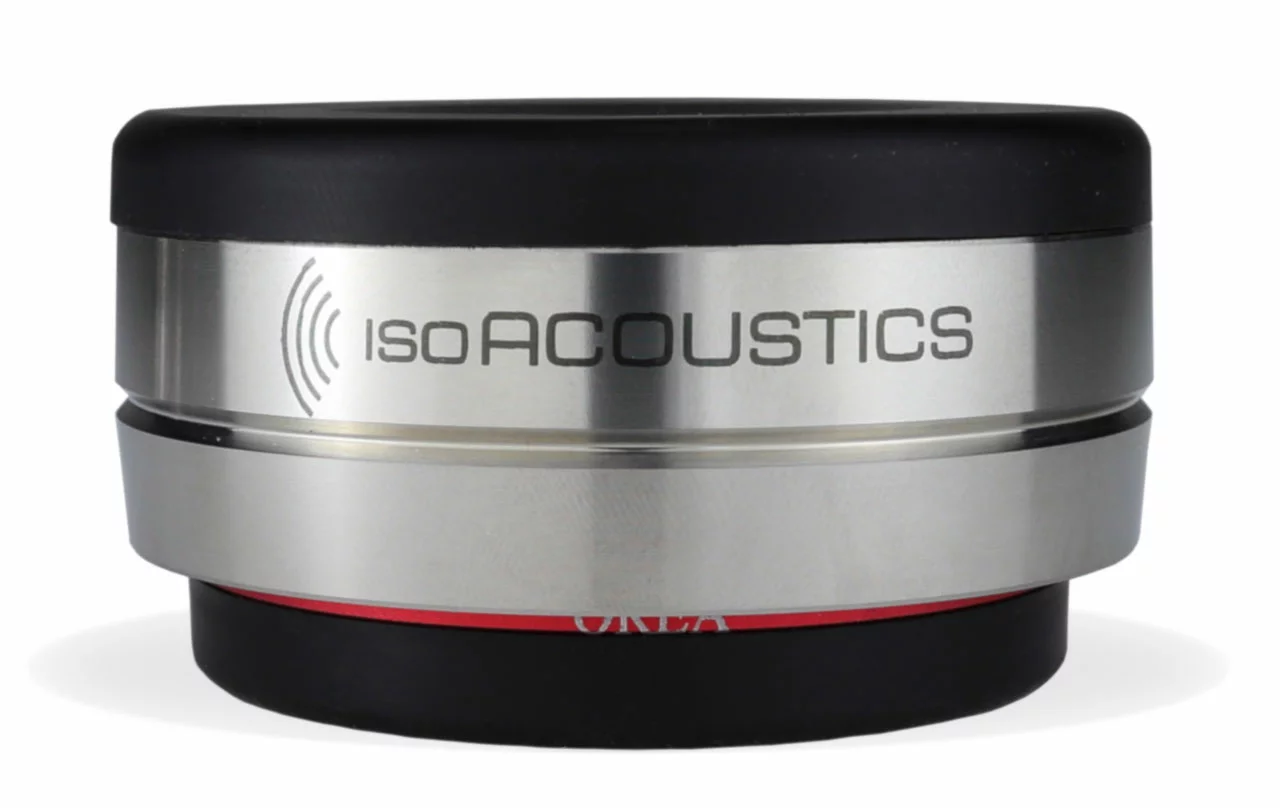
A record player isolation stand is specifically engineered to decouple your turntable from its surrounding environment. Unlike regular furniture, which transmits vibration freely through its structure, an isolation stand uses carefully selected materials (rubber, sorbothane, springs, or layered wood combinations) that absorb, dissipate, or redirect unwanted vibration before it reaches the turntable.
The best designs work across a wide frequency range, targeting both the low-frequency rumble of footfall and the higher-frequency resonances generated by speakers. The difference between placing your turntable on a generic shelf versus a purpose-built isolation platform is not subtle; it is audible, measurable, and immediate.
Why You Should Get an Isolation Stand for Your Hi-Fi Setup
1. Dramatically Better Sound Quality
When isolation performance is strong, your stylus reads the groove cleanly, without interference. What you hear: cleaner highs with improved resolution and air, better instrument separation where individual elements in the mix become truly distinct, and tighter more controlled bass where the low end becomes focused rather than loose. Without isolation, even a well-calibrated turntable can produce sound that feels muddy or compressed. The components are performing well, but the environment is working against them.
2. Eliminates Acoustic Feedback Loops
Speakers send low-frequency vibrations into the surface they rest on. If your turntable shares the same surface, those vibrations travel back into the turntable and get picked up by the stylus, creating a feedback loop: the sound causes vibration, the vibration causes noise, the noise feeds back into the sound. Isolation feet and isolation platforms break this loop entirely by decoupling the turntable from the surface. The combination of mass and damping material is what makes this effect so powerful, and even a modest investment in isolation can have a dramatic effect on the listening experience.
3. Prevents Skipping and Playback Instability
If your stylus has ever skipped because someone walked past, or the sound wavered when you increased the volume, you have already experienced the problem that proper isolation would have solved. This is especially common in older homes where wooden floors flex underfoot, and in apartments where structural vibration is constant. A proper isolation stand stabilises playback even in imperfect environments. It does not change your floor; it changes the way vibration from the floor reaches your turntable.
4. Protects Your Stylus and Cartridge
Vibrations are not just an acoustic problem; they are a mechanical one. Every unnecessary tremor places stress on the stylus and cartridge, two of the most delicate and expensive components in the setup. Over time, this accelerates wear and reduces lifespan. Vibration isolation is long-term equipment protection.
5. Unlocks Performance Even on “Good” Furniture
Even a solid, heavy piece of furniture transmits micro-vibrations. Wood, glass, and metal each have their own resonant properties, and each passes vibration through in its own way. Isolation adds a critical final layer of control that no ordinary stand can provide on its own. This matters most for mid- to high-end turntables, where the cartridge is sensitive enough to reveal what cheaper setups mask, and for non-suspended designs, which depend entirely on the external environment for stability.
Do You Actually Need One? A Beginner Checklist
If you are unsure whether isolation is relevant to your setup, work through this checklist:
- Your speakers sit on the same surface as your turntable, which is one of the most common sources of acoustic feedback in home hi-fi setups
- You hear distortion or muddiness when increasing volume, a direct sign that vibrations from the speakers are reaching the stylus
- Your floor feels soft, bouncy, or unstable underfoot, which is common in older homes and HDB flats; footfall transfers directly to your turntable
- Your sound lacks clarity or feels flat despite good equipment, often a sign that the environment is limiting what your components can actually deliver
- Your stylus occasionally skips without an obvious cause; structural vibration is almost always the culprit in otherwise well-set-up systems
If one or more of these apply, vibration isolation is not optional: it is the fix. A record player isolation stand addresses these problems at the source rather than compensating for them downstream with equipment upgrades.
Types of Turntable Isolation Solutions
Isolation Feet and Pads for Turntables
The most accessible entry point. Sorbothane pads and rubber-compound isolation feet sit between your turntable and the surface, absorbing vibration at the point of contact. Sorbothane is known for its excellent damping properties across a wide range of hardness and thickness, making it one of the most effective and cost-efficient materials available. Best for beginners or anyone upgrading without replacing existing furniture.
Spring-Loaded Isolation Systems
More advanced than pads, spring-loaded feet provide superior vibration isolation for low-frequency movement, particularly the kind generated by footfall or subwoofer bass. The springs act as a mechanical filter, absorbing energy that rubber alone cannot handle. Ideal for serious setups or anyone with challenging floor conditions.
Isolation Platforms: The Best Performance for Difficult Environments
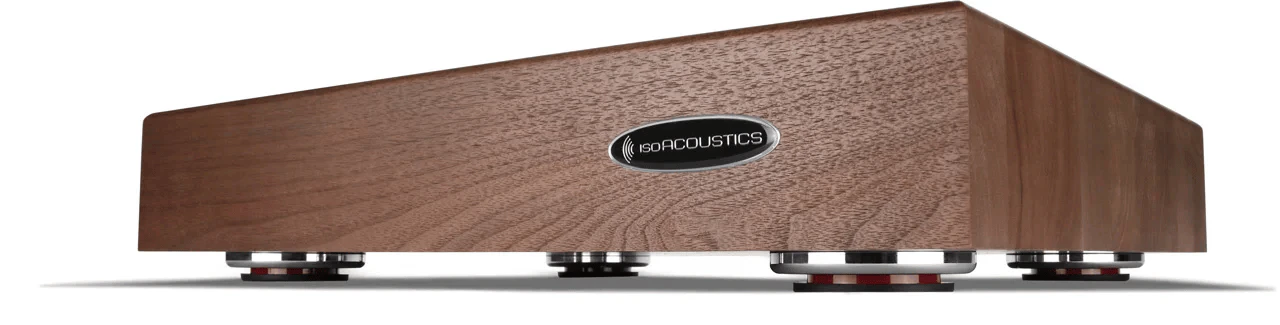
A heavy base layer (typically wood, bamboo, maple, or granite) is combined with a damping layer or mechanism beneath it. The mass and material properties of the platform work together to create a stable, well-damped foundation. The combination of layers and materials gives isolation platforms their characteristic performance: high stability, broad frequency coverage, and the ability to handle heavier turntables without sacrificing isolation performance.
Pro Tip: Standing vs. Isolation, and Why You Need Both
A record player stand provides storage and aesthetic structure. An isolation system determines how well your turntable performs in that space. They solve different problems and work best together. The best setup combines a solid, stable stand with isolation feet or an isolation platform on top. The stand handles mass and structure; the isolation system handles vibration.
Entry-level: Add isolation pads or sorbothane feet to existing furniture for immediate improvement at minimal cost.
Mid-range: Dedicated stand with isolation feet for better performance and a more stable foundation.
High-end: Isolation platform or wall-mounted solution for maximum vibration isolation and full environmental control.
A Precision Instrument Deserves a Proper Foundation
A turntable is not just another device you place on a shelf. It is a precision instrument, and like every precision instrument, the environment it operates in directly affects the results it delivers. The biggest upgrade most beginners overlook is not a new cartridge, not a better amplifier; it is vibration control. Done right, proper isolation means better sound quality, more stable playback, and a longer life for the most sensitive components in your setup. If you are serious about getting the best from your vinyl, start with the foundation and hear the difference it makes.
Ready to give your turntable the foundation it deserves? Browse TREOO's range of record player isolation stands, isolation feet, and platforms built for audiophiles who want more than just a place to put their turntable.