





![JBL Junior 320BT Wireless Bluetooth On-Ear Headphone with Mic for Kids - Blue [Open Box]](https://d30ek1sgwm2r4c.cloudfront.net/sites/files/treoo/images/products/202411/600xAUTO/jbl-junior-320bt-blue_2.jpg.webp "JBL Junior 320BT Wireless Bluetooth On-Ear Headphone with Mic for Kids - Blue [Open Box]")
![JBL Junior 320BT Wireless Bluetooth On-Ear Headphone with Mic for Kids - Blue [Open Box]](https://d30ek1sgwm2r4c.cloudfront.net/sites/files/treoo/images/products/202411/600xAUTO/jbl-junior-320bt-blue_1.jpg.webp "JBL Junior 320BT Wireless Bluetooth On-Ear Headphone with Mic for Kids - Blue [Open Box]")








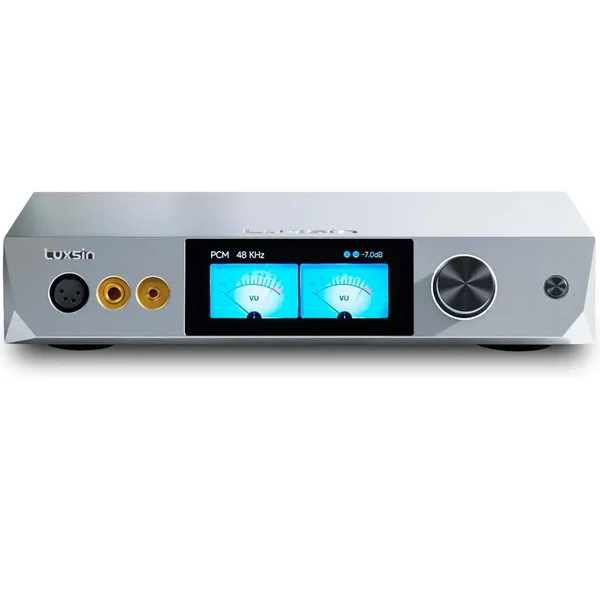
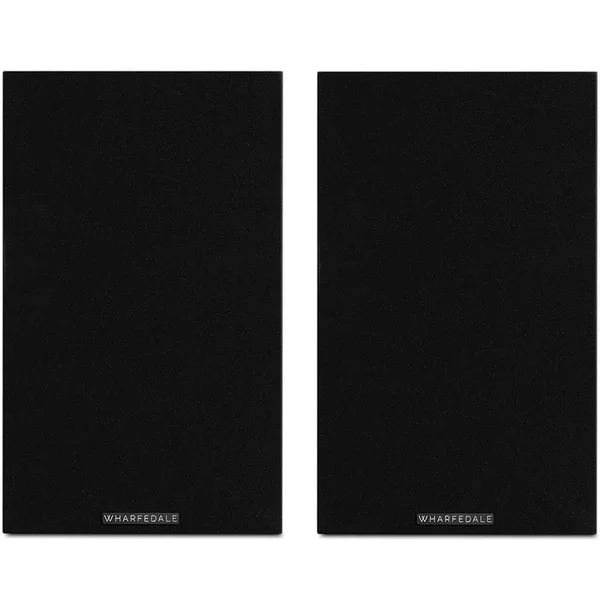
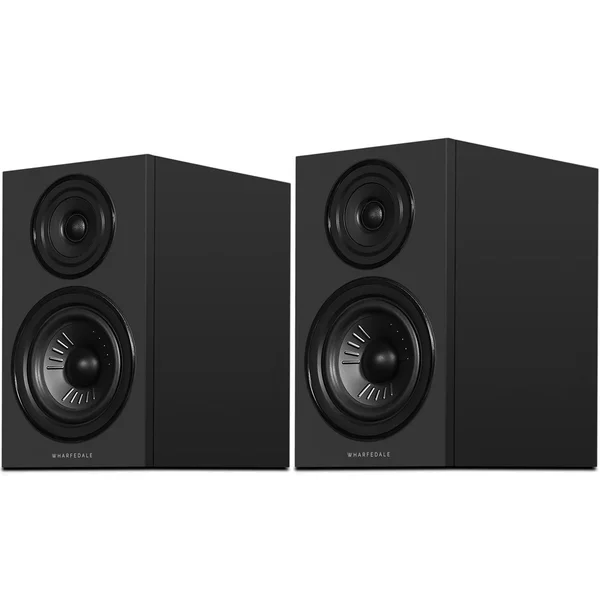


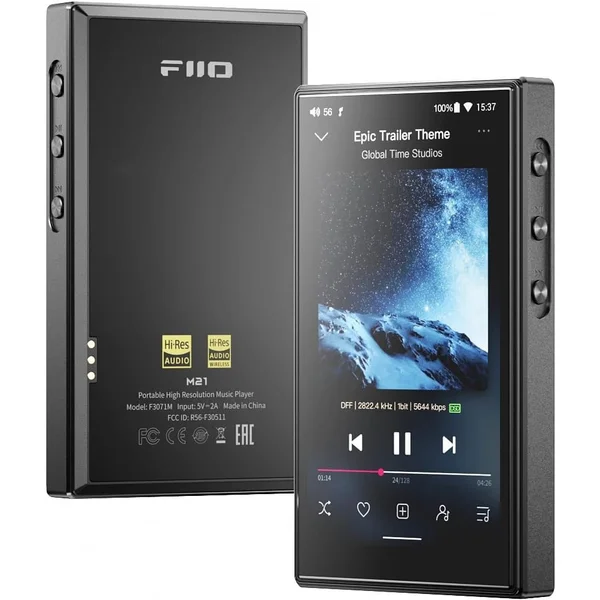



When investing in a pair of bookshelf speakers, one of the most important decisions you’ll make is whether to choose active or passive models. While both types deliver impressive sound in compact form, the way they are powered, installed, and upgraded differs significantly. Understanding these differences ensures you select the right solution for your space, listening preferences, and long-term audio experience.
Bookshelf speakers are designed to deliver high-quality stereo performance without occupying excessive floor space. They are ideal for desktops, TV consoles, home theatre systems, and even dedicated listening areas. However, the distinction between active bookshelf speakers and passive bookshelf speakers directly impacts system complexity, cost, flexibility, and performance potential.


This guide is designed for anyone building or upgrading a sound system, whether you’re a first-time buyer seeking simplicity or an enthusiast assembling a full hi-fi setup.
What Are Active Bookshelf Speakers?
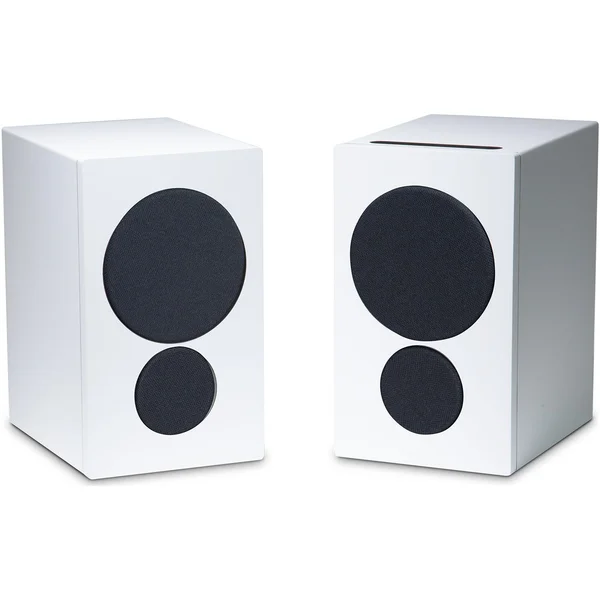
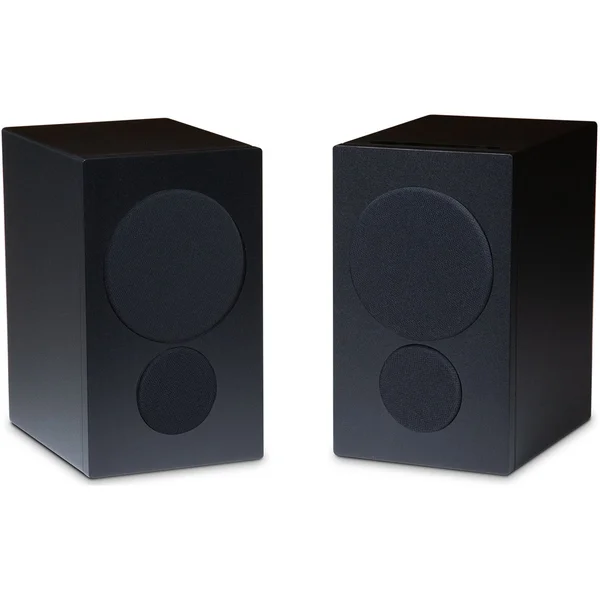
Active bookshelf speakers, also known as powered speakers, contain a built-in amplifier inside one of the speaker cabinets. This internal amplification powers the drivers directly, meaning you do not need a separate amplifier or AV receiver.
Speakers with Built-In Amplifier
The defining characteristic of active bookshelf speakers is the integrated amplifier. Manufacturers carefully match the amplifier’s power output to the speaker drivers, ensuring optimal performance. Because the amplification is engineered specifically for the speaker components, the system is balanced straight out of the box. This reduces compatibility concerns and eliminates the need to research wattage matching or impedance ratings.
The result is a streamlined solution where the amplification, crossover, and drivers are tuned to work harmoniously.
Plug-and-Play Setup
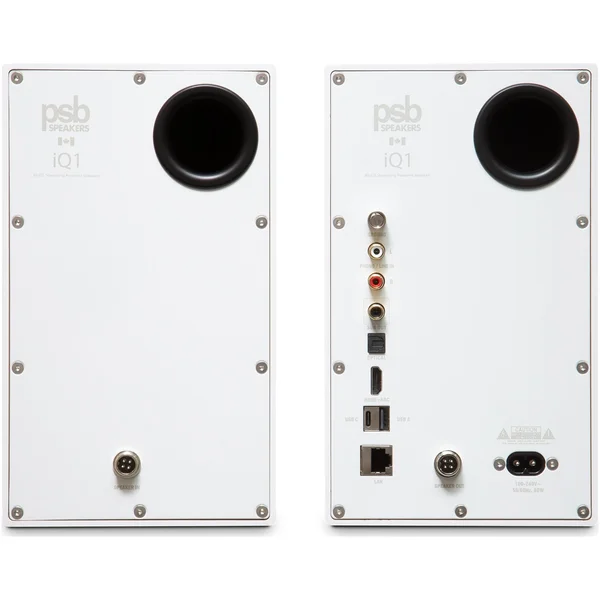
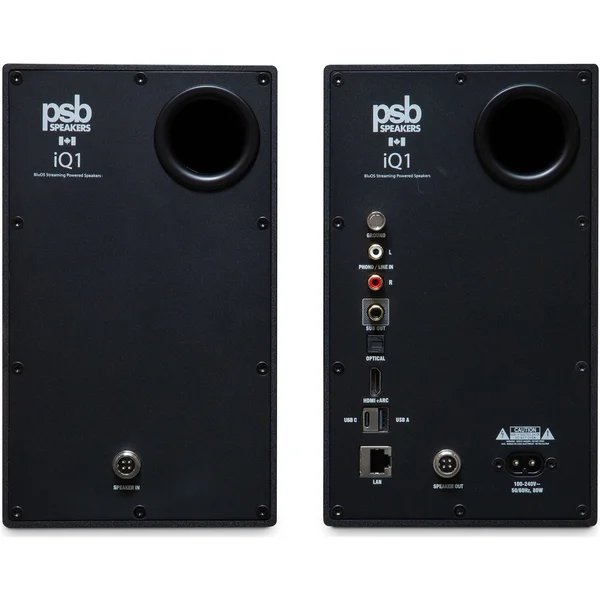
Active bookshelf speakers are known for simplicity. Once connected to a power outlet, you can plug in your audio source directly. Many models include RCA inputs, optical connections, USB ports, and Bluetooth connectivity.
This plug-and-play nature makes active speakers particularly attractive for users who want immediate results without technical setup. Whether connecting to a laptop, TV, turntable with built-in phono preamp, or streaming device, installation is straightforward.

Requires Power Outlet
Unlike passive bookshelf speakers, active models require access to a power outlet because of the internal amplifier. Typically, one speaker houses the amplification and connects to power, while the second speaker connects to the primary unit.
This means cable management planning is important, especially in minimalist spaces. However, the trade-off is reduced component clutter since no external amplifier is needed.
Common Features in Modern Active Bookshelf Speakers
Modern active bookshelf speakers often come equipped with features designed for convenience and versatility. Many include Bluetooth for wireless streaming from smartphones and tablets. Volume controls may be built directly into the speaker or controlled via remote.
Some models feature built-in Digital-to-Analogue Converters (DACs), subwoofer output for bass expansion, and multiple input options for TV integration. These added features make active bookshelf speakers particularly adaptable to modern home environments.

Best For Small Spaces and Simple Systems
Active bookshelf speakers are ideal for apartments, desktop setups, small home theatre systems in the living room, and users who prefer minimal cables. If you want high-quality sound without managing separate components, active speakers provide an efficient and elegant solution.
What Are Passive Bookshelf Speakers?
Passive bookshelf speakers, unlike active models, do not contain built-in amplification. They require an external amplifier or AV receiver to function.
Requires an External Amplifier With a Receiver
The amplifier acts as the power source for passive bookshelf speakers. Audio signals are sent from the source device to the amplifier, and then from the amplifier to the speakers through speaker cables.
This separation of components allows greater flexibility and system control, but it also introduces additional setup complexity.

Uses Speaker Cables
Passive bookshelf speakers rely on the speaker cables to connect to the amplifier. These cables transmit amplified audio signals and must be selected carefully to ensure proper conductivity and durability.
Unlike active speakers, which simplify wiring, passive systems require thoughtful cable management. However, many enthusiasts appreciate the customisation this approach provides.
More Customisable Audio System
One of the strongest advantages of passive bookshelf speakers is customisation. You can pair them with different amplifiers depending on your frequency response, tonal preference, power requirements, or upgrade ambitions.
If you want warmer sound characteristics, you may choose one type of amplifier. If you prefer analytical clarity, another amplifier may suit your needs. This modular flexibility appeals strongly to hi-fi enthusiasts.

Best For Hi-Fi Enthusiasts and Larger Setups
Passive bookshelf speakers are ideal for users building full hi-fi systems. They integrate well with subwoofers, separate DACs, streamers, and surround sound configurations.
If you plan to expand your system gradually or experiment with different components, passive speakers offer superior upgrade flexibility.
Key Differences Between Active and Passive Bookshelf Speakers
Understanding the differences helps clarify which solution suits your needs.
Amplification (Built-In vs External)
Active bookshelf speakers house amplification internally, providing a self-contained audio solution. Passive bookshelf speakers require external amplification, offering flexibility but increasing system complexity.
Setup Complexity
Active systems are simpler and faster to install. Passive systems require more components, including amplifier selection and proper cable routing.
Upgrade Flexibility
Active speakers are limited in upgrade potential since the amplifier is integrated. Passive speakers allow individual component upgrades, making them future-proof for enthusiasts.
Cost Structure (All-in-One vs Modular)
Active bookshelf speakers may cost more upfront because amplification is included. Passive bookshelf speakers require separate amplifier purchases, potentially increasing total investment.

Power & Compatibility Basics
Understanding power matching is critical when selecting passive bookshelf speakers.
Active Bookshelf Speakers
Internally Matched Amplification
Active bookshelf speakers eliminate compatibility concerns. The manufacturer ensures the amplifier is perfectly matched to the drivers. This prevents underpowering or overpowering and ensures consistent performance.
Passive Bookshelf Speakers
Matching Impedance and Wattage
Passive bookshelf speakers require attention to impedance (ohms) and power handling (watts). Choosing the right amplifier ensures safe operation and optimal sound quality.
For example, pairing a low-watt amplifier with power-hungry speakers may limit dynamic range. Conversely, overpowering can risk driver damage.
Importance of Proper Pairing to the Audio System
Proper pairing ensures longevity, clarity, and performance. Whether you choose active or passive, ensuring system compatibility protects your investment.
Which One Should You Choose?
Your decision should reflect your listening habits, available space, and long-term plans.
Choose Active Bookshelf Speakers
If You Want Simplicity
If you prioritise ease of use and a clutter-free setup, active bookshelf speakers are the ideal choice. They provide high-quality sound without requiring additional components.
If You Have Limited Space
For compact apartments, desktops, or minimalist living rooms, active speakers reduce hardware footprint and simplify cable management.
Choose Passive Bookshelf Speakers:
If You Want Upgrade Flexibility,
If you plan to upgrade amplification or expand your system, consider passive bookshelf speakers that offer long-term adaptability.
If You Already Own an Amplifier
If you already have a quality amplifier, investing in passive bookshelf speakers maximises your existing equipment.
If You Are Building a Full Hi-Fi System
For those assembling a dedicated listening environment, passive bookshelf speakers provide greater scalability and performance potential.

Final Considerations Before Buying
Room size, listening volume, and content type should influence your decision. Small rooms may benefit from active speakers’ simplicity, while larger rooms may require passive systems with stronger amplification.
When comparing options on a product page based on your listening needs, it helps to look beyond just specifications. The performance of a bookshelf speaker depends not only on power ratings but also on how it integrates into your space and overall audio system. Whether you are building on a compact desktop setup or upgrading part of a larger system, understanding the strengths of a specific model allows you to make a more confident and informed decision.
Make the Right Choice: Get the Best Bookshelf Speaker System in Singapore
Both active bookshelf speakers and passive bookshelf speakers deliver excellent sound performance. The right choice depends on your lifestyle and listening goals.
If you value simplicity, minimal cables, and modern features like Bluetooth, active bookshelf speakers are the smarter choice. If you prioritise flexibility, system expansion, and long-term upgrade paths, passive bookshelf speakers provide greater control.
At TREOO, we offer a carefully curated collection of premium bookshelf speaker models, including both active bookshelf speakers and passive bookshelf speakers.
Visit our showroom to experience the sound difference first-hand. Contact us for personalised advice tailored to your room size, listening experience, and system goals.